


Romania’s infrastructure pipeline: what new projects could unlock for cities
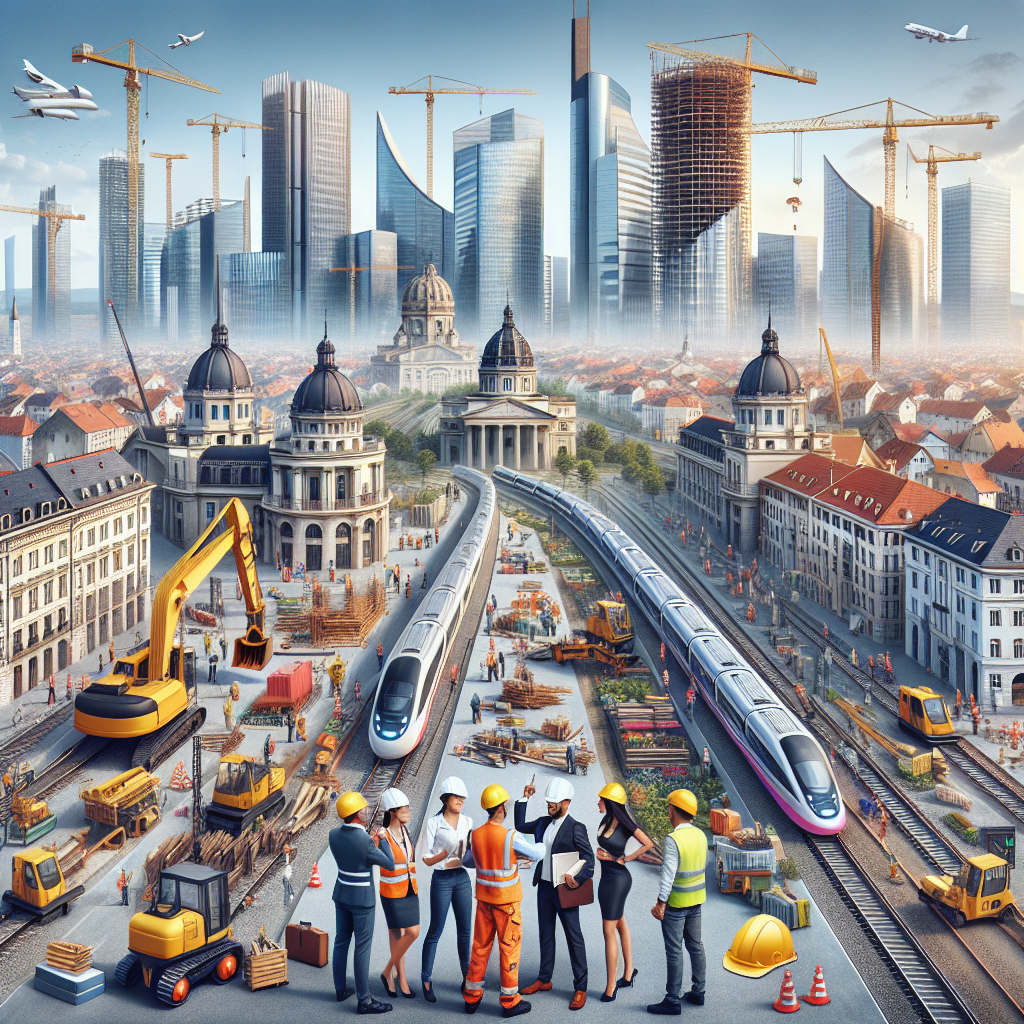
Romania is experiencing a pivotal moment in its urban development as numerous infrastructure projects move forward, promising to reshape cities and enhance the quality of life. With focused investments and strategic planning, the country aims to address longstanding challenges in transportation, energy, and digital connectivity that have historically limited urban growth and economic potential.
Current State of Romanian Infrastructure in Urban Areas
Romanian cities today face a mixed picture regarding infrastructure. While some urban centers have seen modernization in transport networks and utilities, many still contend with outdated roads, underdeveloped public transit systems, and insufficient digital infrastructure. These limitations hinder economic development and contribute to pollution and congestion. Recognizing these challenges, the Romanian government has prioritized a robust pipeline of new projects designed to modernize and expand critical infrastructure assets.
Major Infrastructure Projects Underway and Planned
Among the most significant initiatives are investments in urban mobility, including new metro lines in Bucharest and tramway expansions in other major cities. Road rehabilitation and the construction of bypasses aim to reduce inner-city traffic congestion while improving connectivity to regional and international corridors. Energy infrastructure is also on the agenda, with upgrades to power grids and the integration of renewable energy sources to ensure cities have sustainable and reliable electricity supplies. Additionally, expanding broadband and 5G networks is set to enhance digital infrastructure, supporting smart city applications and economic competitiveness.
Impacts on Urban Development and Quality of Life
The infrastructural advancements are expected to generate notable improvements in urban living conditions. Enhanced public transportation will reduce travel times, decrease pollution, and improve accessibility for residents. Upgraded road networks will facilitate smoother logistics, benefiting businesses and commuters alike. Improved energy infrastructure supports environmental goals and energy security. Furthermore, the digital infrastructure expansion enables better e-governance and services, fostering inclusive and efficient urban environments. These transformations contribute to attracting investment, creating jobs, and stimulating economic growth within Romanian cities.
Challenges and Considerations in Executing Infrastructure Projects
Despite the optimistic outlook, Romania’s infrastructure development faces hurdles including funding allocation, bureaucratic delays, and the need for technical expertise. The complexity of coordinating multi-level governmental bodies and private sector partners requires stringent management. Environmental concerns and the imperative to preserve historic urban areas also impose constraints that must be balanced with modernization goals. Successful execution will depend on transparency, adherence to timelines, and sustainable practices that align with European Union standards, ensuring long-term viability of the infrastructure.
Future Outlook: What New Infrastructure Could Unlock for Romanian Cities
Looking ahead, the ongoing and planned infrastructure investments are poised to transform Romanian cities into more dynamic and resilient hubs. Improved transportation and energy systems will not only elevate economic competitiveness but also enhance social cohesion and environmental sustainability. By integrating advanced digital infrastructure, cities will be better equipped to adopt smart technologies, improving governance and citizen engagement. These developments are expected to attract foreign investment and tourism, supporting broader national goals for modernization. The evolving infrastructure landscape represents a critical foundation for Romania’s urban future, promising tangible benefits for residents and businesses alike.
Frequently Asked Questions about infrastructure
What role does infrastructure play in Romania’s urban development?
Infrastructure is fundamental to Romania’s urban development, providing the essential systems for transportation, energy, and communication that enable cities to function efficiently and grow economically.
How are infrastructure projects funded in Romanian cities?
Infrastructure projects in Romania are primarily funded through a combination of national government budgets, European Union funds, and public-private partnerships, facilitating comprehensive urban upgrades.
What are the main challenges facing infrastructure development in Romania?
Key challenges include securing sufficient funding, overcoming bureaucratic delays, managing environmental impacts, and ensuring projects meet technical and quality standards consistent with European guidelines.
How will new infrastructure impact daily life in Romanian cities?
New infrastructure projects are expected to reduce traffic congestion, improve public transit reliability, enhance energy access, and provide better digital connectivity, all contributing to improved quality of life.
Where can I find more information about global infrastructure standards?
Information about global infrastructure standards and best practices can be found on authoritative websites such as the International Monetary Fund’s infrastructure page, which offers resources on developing resilient and sustainable systems worldwide.
Latest news