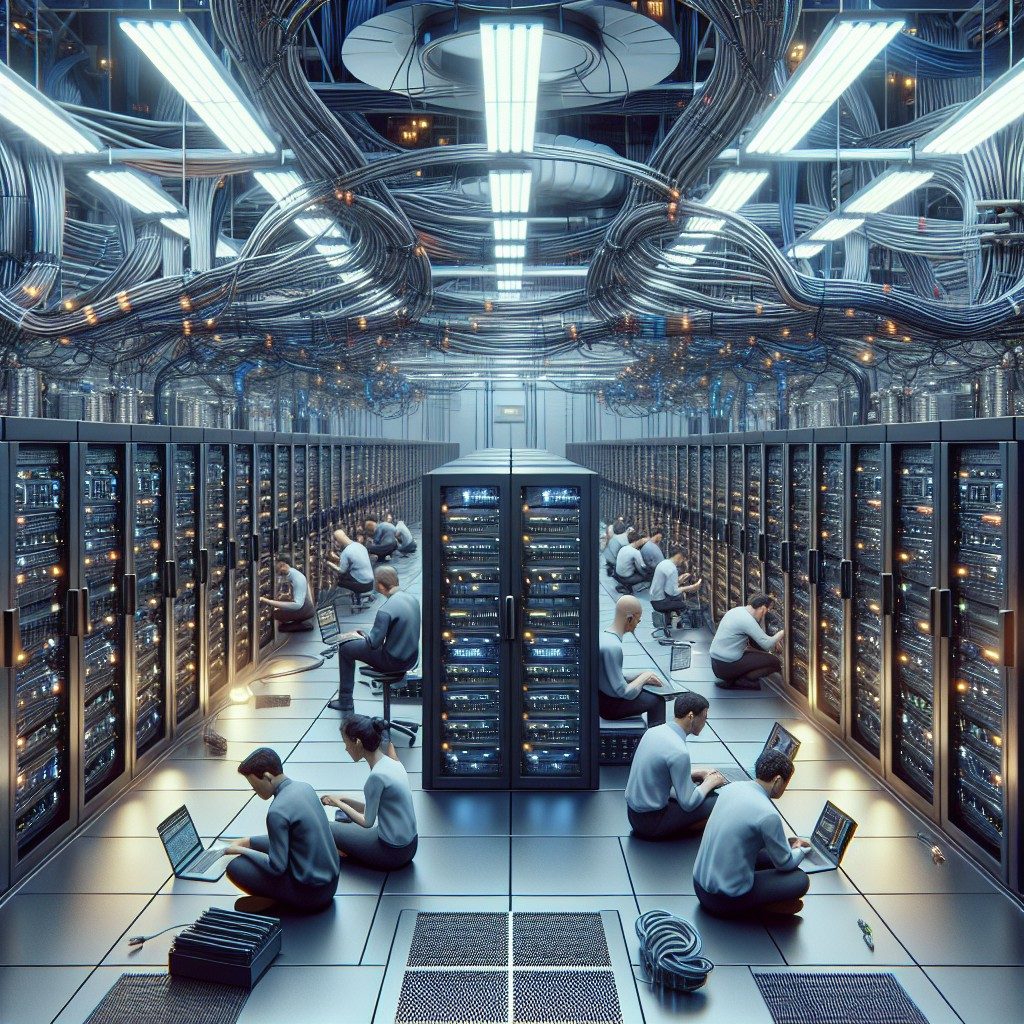
Romania is experiencing a significant surge in the construction of AI data centers, driven by the global rise in artificial intelligence applications and digital transformation. This development is reshaping the local job market and raising important questions about energy consumption and sustainability.
Expansion of Data Centers in Romania
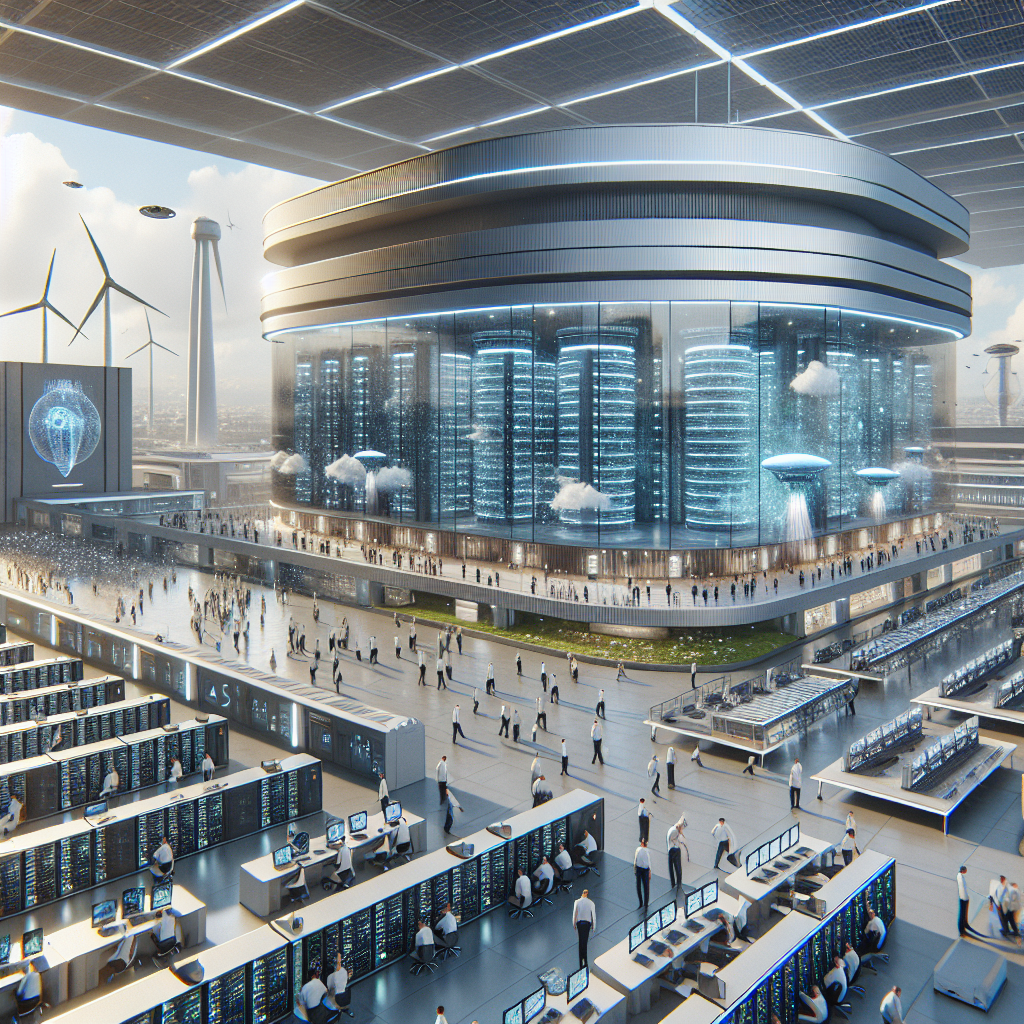
In recent years, Romania has attracted considerable attention from international technology firms due to its strategic location, skilled workforce, and competitive energy prices. This has led to a wave of new data centers specializing in AI computing and storage capabilities. These facilities are designed to support the increasing demand for cloud services and complex machine learning algorithms, positioning Romania as a new hub for digital infrastructure in Eastern Europe.
Impact on Employment Opportunities
The construction and operation of AI data centers have generated a variety of job opportunities in Romania. During the building phase, construction jobs dominate, but once operational, the demand for IT specialists, engineers, and maintenance personnel increases. Local universities and training programs are adapting to this growing industry need by offering courses tailored to data center technologies, further fostering a skilled workforce that meets industry requirements.
Energy Consumption and Environmental Considerations
Despite the economic benefits, the rise of AI data centers in Romania presents challenges regarding energy consumption. These facilities require substantial electricity to power servers and cooling systems. Romanian energy providers and data center operators are therefore focusing on implementing energy-efficient technologies and exploring renewable energy sources to minimize the environmental footprint, aligning with the European Union’s sustainability goals.
Government Policies and Regulatory Framework
The Romanian government has introduced supportive policies to encourage investment in digital infrastructure, including AI data centers. Incentives such as tax breaks and streamlined permitting processes aim to attract foreign investment while ensuring compliance with environmental standards. Regulators continue to refine frameworks to balance economic growth with responsible energy usage and data security.
Future Prospects for Romania’s Digital Infrastructure
Looking ahead, the wave of AI data center construction in Romania is expected to contribute significantly to the country’s digital economy. The combination of skilled labor, favorable policy environment, and a focus on sustainable energy solutions will likely consolidate Romania’s role as a regional leader in data center services. However, ongoing attention to energy management and workforce development will be critical to sustaining this growth.
Frequently Asked Questions about data centers
What are the main benefits of building AI data centers in Romania?
The main benefits include job creation, enhancement of the digital infrastructure, and boosting Romania’s attractiveness for international tech investments.
How do data centers impact Romania’s energy consumption?
AI data centers significantly increase energy demand due to resource-intensive computing processes, prompting efforts to adopt energy-efficient and renewable solutions.
What types of jobs are most influenced by the AI data centers wave in Romania?
Jobs in IT operations, engineering, maintenance, and construction are the most affected during different stages of AI data center development.
Are there government incentives for companies building data centers in Romania?
Yes, the government offers tax incentives and regulatory support to encourage the development of data centers while ensuring environmental and security standards.
How is Romania ensuring the sustainability of AI data centers?
Romanian energy providers and data center operators are investing in energy-efficient technologies and renewable energy sources to reduce the environmental impact.