


Cloud gaming is rewriting the console race—what to watch next
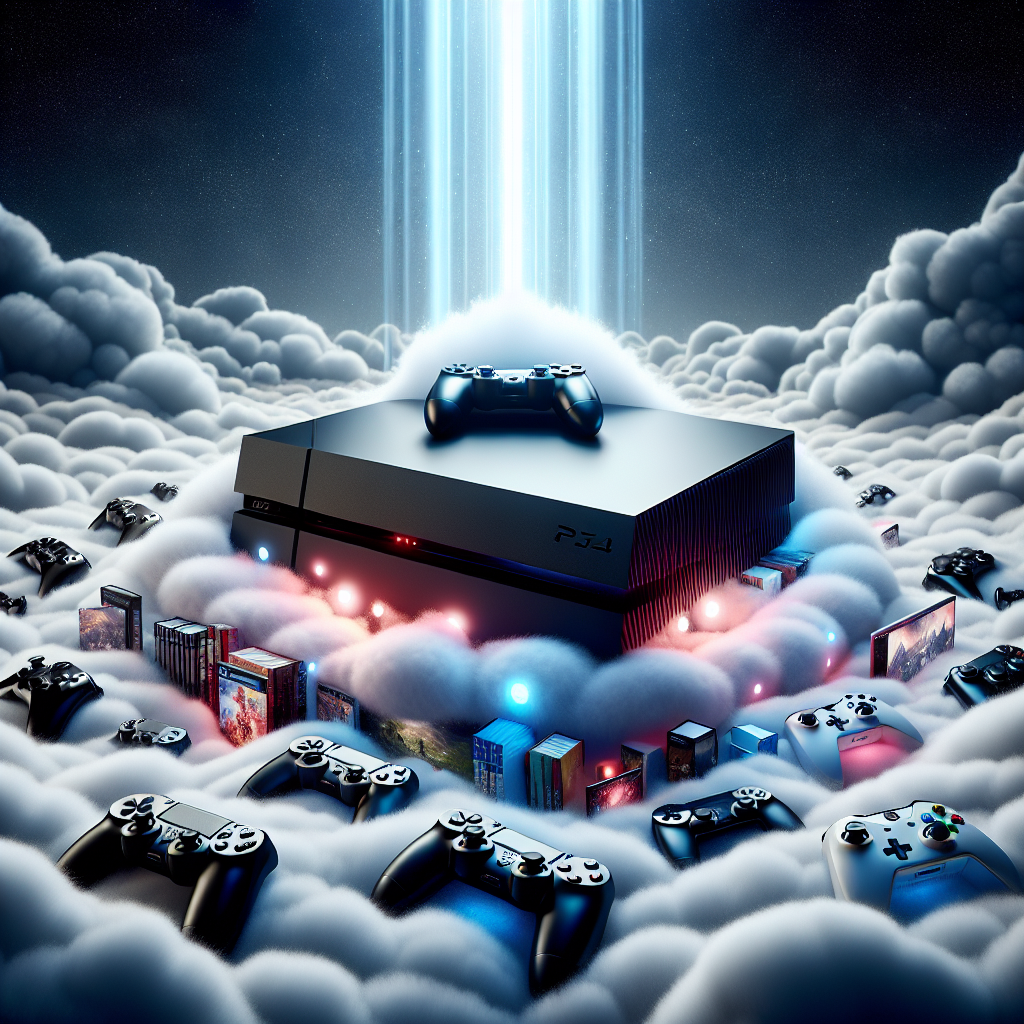
The world of video gaming is undergoing a fundamental shift as cloud gaming technologies increasingly influence the traditional console market. This evolution is reshaping how gamers access content and how manufacturers compete for dominance in a rapidly changing industry.
Defining the impact of cloud gaming on traditional consoles
Cloud gaming delivers video game content via remote servers, allowing users to play titles without the need for powerful local hardware. This fundamental shift threatens to lessen the need for high-end consoles, as players can access games on a wider range of devices, including smartphones, tablets, and low-spec PCs. Consequently, console manufacturers are adjusting their strategies to incorporate cloud capabilities, redefining consumer expectations around performance, portability, and accessibility.
Key players adapting to the cloud gaming revolution
Major companies such as Microsoft, Sony, and NVIDIA are heavily investing in cloud gaming infrastructure and services. Microsoft’s Xbox Cloud Gaming, integrated with its Game Pass subscription, exemplifies this trend by enabling streaming across numerous devices. Similarly, Sony launched its PlayStation Now service to offer a hybrid approach combining downloads and streaming. Meanwhile, NVIDIA’s GeForce NOW service continues expanding its library and platform compatibility. These developments underscore an industry-wide acknowledgment that cloud gaming is more than experimentation—it is central to future growth.
Challenges slowing cloud gaming adoption
Despite advancements, several hurdles remain for widespread cloud gaming adoption. Network latency and bandwidth limitations can impact gameplay quality, especially for fast-paced or highly responsive titles. Furthermore, regional disparities in internet infrastructure affect accessibility, restricting cloud gaming’s reach in certain markets. Consumer concerns about data privacy and ownership of digital content also contribute to cautious adoption. These challenges compel industry leaders to focus on improving streaming technology as well as on partnerships with internet service providers to enhance quality of service.
The role of 5G and edge computing in advancing cloud gaming
The rollout of 5G networks and enhancements in edge computing infrastructure are pivotal in addressing latency and connectivity issues. By bringing servers closer to end-users, these technologies reduce lag and provide a smoother gaming experience. This synergy is expected to accelerate cloud gaming’s adoption worldwide, making high-quality gaming accessible to a broader audience. As these network improvements continue, the distinction between console and cloud gaming will likely become increasingly blurred.
Industry forecasts and what to expect next
Market analysts predict that cloud gaming revenues will grow substantially over the next five years, driven by increasing subscriptions and expanding game libraries. Console manufacturers are anticipated to focus more on hybrid models that combine physical hardware with cloud services to meet diverse consumer preferences. In parallel, content creators and publishers may prioritize cross-platform releases optimized for streaming delivery. As cloud gaming matures, it will not only reshape the console race but also influence overall gaming culture and business models globally.
In conclusion, cloud gaming is redefining the competitive landscape of console manufacturers by enabling more flexible and accessible gaming experiences. While challenges persist, advancements in network technology and strategic investments suggest cloud gaming’s influence will continue growing. Stakeholders and consumers alike should watch closely as this trend unfolds, as it will shape the future of gaming in fundamental ways.
Frequently Asked Questions about cloud gaming
What is cloud gaming and how does it differ from traditional gaming?
Cloud gaming is a service that streams video games from remote servers to a user’s device, eliminating the need for local processing power. Unlike traditional gaming, which requires dedicated hardware like consoles or powerful PCs, cloud gaming allows play on various devices through internet connection.
Can cloud gaming replace console gaming entirely?
While cloud gaming offers significant convenience and accessibility, it currently complements rather than fully replaces console gaming. Factors such as internet speed, latency, and personal preference for physical hardware influence whether cloud gaming can substitute traditional consoles for individual users.
Which companies are leading the cloud gaming industry?
Major technology and gaming companies such as Microsoft with Xbox Cloud Gaming, Sony with PlayStation Now, and NVIDIA with GeForce NOW are prominent leaders advancing cloud gaming platforms and services worldwide.
What technical requirements are needed for a good cloud gaming experience?
A stable, high-speed internet connection with low latency is essential for quality cloud gaming. Typically, broadband speeds of at least 15 Mbps are recommended, alongside devices capable of streaming content smoothly without interruptions.
How is cloud gaming expected to impact the future of gaming consoles?
Cloud gaming is expected to drive console manufacturers to develop hybrid models that integrate streaming services with physical hardware. This approach aims to offer gamers flexibility, expand game accessibility, and foster new business models in the evolving gaming industry.
Latest news